Introduction — Welcome to the Viral KO Economy
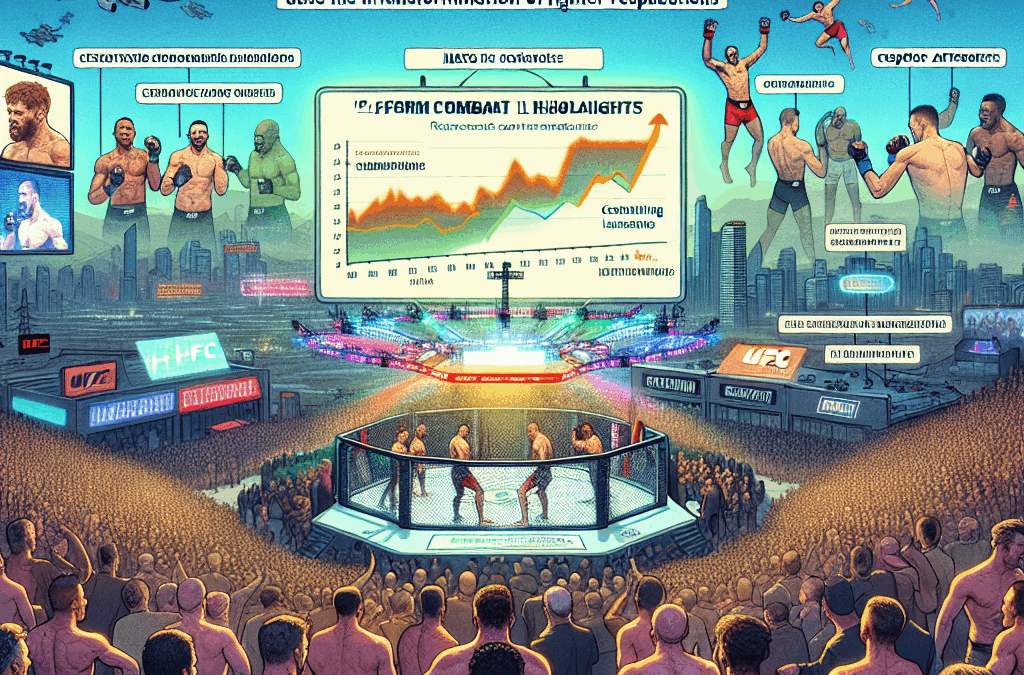
In 2025, MMA marketing is no longer a backstage negotiation between promoters and legacy media. It’s a real-time attention market driven by 30-second highlights, creator licensing deals, and hyper-produced mega-events. The UFC and its peers have learned that a knockout clip that explodes across TikTok, Instagram Reels and Shorts is not just entertainment: it’s a commercial product that moves tickets, subscriptions and sponsorship deals in hours instead of weeks.
For fans, aspiring analysts and anyone building a fighter brand, understanding this new ecosystem is essential. This article breaks down the four critical areas that define the Viral KO Economy and shows how to use UFC stats, MMA knockout records and UFC performance metrics to make smarter evaluations and predictions.
Section 1 — Short-Form Highlight Strategy: The Attention Multiplier
Short-form content is the distribution engine for modern MMA moments. When a fight ends with a highlight-reel finish, the clip becomes a shareable asset that funnels attention into multiple revenue streams: pay-per-view spikes, merchandise sales, streaming subs and direct monetization for creators.
Key mechanics analysts should watch:
- Velocity of shares: how quickly a clip reaches 100k/1M views in the first 24 hours.
- Cross-platform spread: which platforms (TikTok, Instagram, YouTube Shorts) are amplifying a specific finish.
- Engagement depth: comments and reshared reactions often predict longer-term interest more than raw views.
Use actionable data sources like UFC.com and UFCStats.com to map how in-cage events translate to out-of-cage metrics. For example, correlate knockout timestamps with spikes in Google Trends and ticket resale prices to quantify a fighter’s immediate market impact.
Section 2 — Creator Licensing & the New Revenue Stack
By 2025, rights licensing shifted from purely centralized control to hybrid models that let creators, teams and fighters participate in value creation. The UFC’s licensing windows for short-form content, creator partnerships and approved highlight packages now sit alongside traditional broadcast rights.
What this means for fighters and their teams:
- Co-licensed highlights: fighters can team with creators for revenue share on clips used for brand deals and sponsorships.
- Tokenized ownership: limited-edition digital collectibles tied to iconic KO clips are monetized alongside physical merchandising.
- Performance clauses in contracts: fighters negotiate for percentage splits when short-form clips directly generate sponsorship leads.
Creators and media outlets should review licensing terms closely; many of the most effective short-form campaigns in 2024–25 involved early clearance and coordinated posting across creator networks. For a primer on creator monetization strategies consult resources like YouTube Creator Academy.
Section 3 — Mega-Event Production: Manufacturing Shareable Moments
Mega-events are no longer solely defined by stacked fight cards or pay-per-view buys. Production teams now design narrative beats and camera cues specifically for short-form recapability. Think: slow-motion clinch break, immediate replay frames, corner-camera reactions — all engineered to make a 6-second clip irresistible.
Production tactics that matter:
- Multi-angle replay packages delivered instantly to social teams.
- Pre-cleared audio beds and on-screen graphics optimized for Reels/Shorts.
- Integrated sponsor units that can be clipped without diluting shareability.
Promoters who win the Viral KO Economy aren’t just selling fights; they’re selling distributable assets. The best examples are those that align fighter narratives (comebacks, rivalries) with visually definitive moments that stand alone on a small screen.
Section 4 — Measuring Fighter Value: Stats, Knockouts & Predictive Power
For analysts and fans trying to parse who truly benefits from this economy, traditional measures like win-loss records are insufficient. You need a layered view combining UFC stats, MMA knockout records, and advanced UFC performance metrics.
Core metrics to deploy:
- Highlight-Weighted KO Rate: not only how often a fighter knocks opponents out, but how often those KOs produce viral clips (views and engagements).
- Strike Efficiency vs. Highlight Impact: overlay MMA striking trends (e.g., accurate significant strikes landed per minute) with how often those strikes lead to shareable sequences.
- Engagement-Adjusted Power Ranking: a traditional fighter power ranking enhanced by short-form engagement multipliers and sponsorship interest signals.
Combine database sources such as all-time knockout references and real-time stats from UFCStats.com. For predictive models, incorporate these features into machine-learning pipelines: recent KO velocity, opponent quality, cross-platform engagement, and historical merch or ticket sales post-finish. These variables improve UFC predictions, particularly for market-facing projections like PPV lift or endorsement interest.
Putting It Together — Practical Playbook for Fans and Analysts
How to use the Viral KO Economy to get an edge:
- Track both in-cage performance and out-of-cage engagement. A fighter with a moderate KO rate but frequent viral moments can out-earn someone with better raw stats.
- Build a hybrid power ranking: start with UFC performance metrics (SIG strikes, takedown defense, fight tempo) and add a Viral Coefficient (views per finish, creator adoption rate).
- Monitor contract news and licensing updates — fighters who secure creator-friendly clauses or direct distribution deals are more likely to monetarily benefit from highlight volume.
- For bettors and fantasy players, weight short-term momentum from viral exposure into match odds, especially when public betting lines may shift on hype rather than skill.
Conclusion — The Long Game in a 15-Second World
The Viral KO Economy doesn’t replace the fundamentals of fighter evaluation: discipline, skill set evolution, and matchup analysis still matter. But in 2025, those fundamentals are refracted through a prism of attention economics. Fighters who combine elite UFC performance metrics with an ability to generate repeatable, shareable moments will see outsized gains in brand value and income.
For analysts, the mandate is clear: blend traditional data (UFC stats, MMA knockout records, all-time UFC records) with social signal analytics and production awareness. That hybrid approach yields better fighter analysis, smarter UFC predictions, and a profitable lens for fans and professionals alike.
Want a deeper dive? Follow our analysis hub at /analysis, check live stat feeds at UFCStats, and bookmark creator licensing updates from major platforms as they evolve. The next viral KO may be 6 seconds long — but its commercial ripple will last for months.
Call to action: Subscribe to our newsletter for weekly breakdowns of UFC performance metrics, MMA striking trends, and data-driven fighter power rankings that cut through the hype.
Recent Comments