Introduction — The KO That Broke the Internet
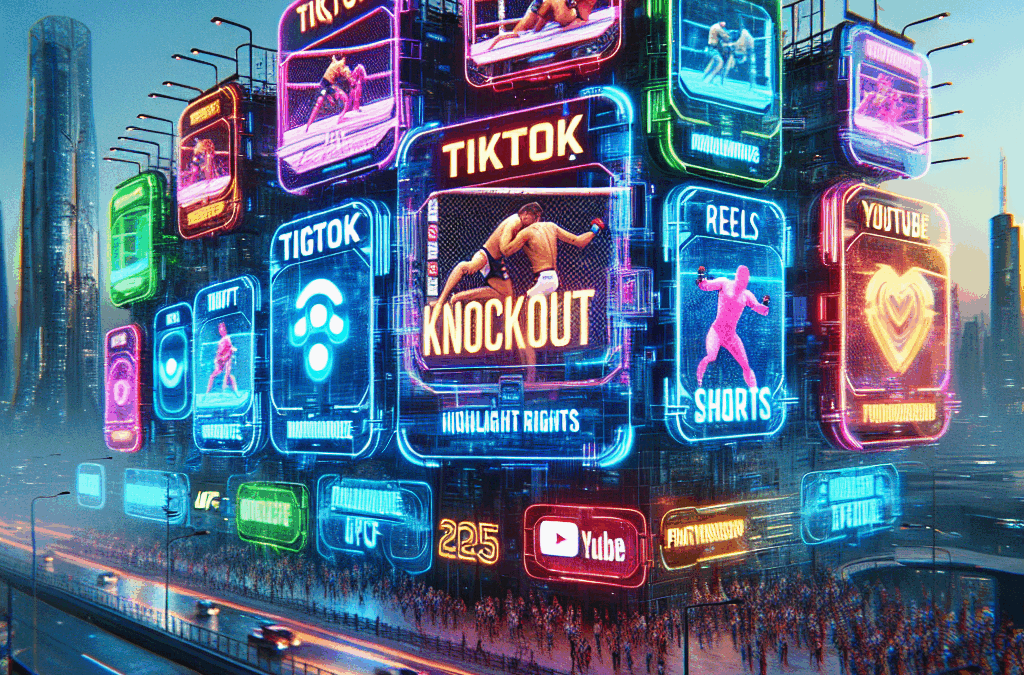
Every era of the UFC has had its signature moments: a rivalry, a rule change, a breakout talent. In 2025, the defining trend is neither a belt exchange nor a rule tweak—it’s the explosion of shareable, vertical, sub-60-second knockout content that travels faster than any press release. From undercard upsets to main event flash finishes, these moments are driving new economics for leagues, fighters, creators, and brands across TikTok, Instagram Reels, and YouTube Shorts.
Section 1 — The Data Behind the Arms Race: What the Numbers Say
Anyone seriously analyzing this shift starts with raw performance data. Sites like UFC Stats and the UFC’s archival pages provide the backbone: knockout percentages, significant strike rates, knockdowns, and fight duration. Overlaying traditional metrics (KO/TKO counts, all-time UFC records, MMA knockout records) with distribution metrics—how often finishes occur in round 1, under 30 seconds, or as sudden, dramatic sequences—reveals the new currency of virality.
Two macro trends stand out:
- MMA striking trends are favoring decisive, high-velocity exchanges rather than slow attrition. That increases the raw number of highlightable KOs per card.
- Platform mechanics amplify short, sudden moments. Algorithms reward replays, slow-motion breakdowns, and soundbeds that make a knockout feel cinematic on TikTok and Shorts.
For analysts tracking fighter performance and trajectory, this means traditional measures (win/loss, opponent quality, and UFC performance metrics) must be complemented by media-first indicators: finish timing, replayability, and visual clarity of the strike.
Section 2 — Rewriting Fighter Analysis: On-Fight Metrics Meet Virality Metrics
To identify a fighter’s true potential in 2025 you need a hybrid approach: combine deep UFC stats with a tailored “virality” model that predicts how often a fighter will produce platform-ready content. That model should include inputs already familiar to analysts—KO percentage, significant strikes landed per minute, knockout-to-fight ratio, and opponent quality (using all-time UFC records as a benchmark)—and new inputs tuned for short-form platforms.
Suggested Virality Factors for analysts and aspiring talent evaluators:
- KO Rate & Recent KOs: Short-term momentum matters—three KOs in six months beats a single KO two years ago.
- Finish Timing: Finishes in Round 1 or within the last 60 seconds have higher replay value.
- Visual Clarity: Clean striking sequences with minimal obstruction—no grappling mats, clear camera angles—score higher.
- Strike Impact Proxies: Knockdowns, doctor stoppages, and spinning techniques are more likely to trend.
- Card Placement & Reach Potential: Main card and televised prelims have higher baseline views; regional cards can go viral if paired with a compelling narrative.
Blend these into an index—call it a Short-Form Virality Score—and use it alongside fighter power ranking models. This keeps UFC predictions grounded in performance while capturing the new commercial value of a highlight.
Section 3 — Rights, Creators, and the Business of a Knockout
One of the toughest friction points is rights. The UFC controls official highlights and many social distribution rights, but the creator ecosystem is sprawling: micro-creators stitch, slow-mo, and react to KOs at scale. Platforms have differing content ID systems and incentives; YouTube Shorts monetization, Instagram’s Reels algorithms, and TikTok’s creator funds all change how clips earn attention and revenue.
Smart organizations are evolving beyond simple takedown/claim strategies. The new models include:
- Official clip licensing for creators—paid or revenue-share access to high-quality highlight packs.
- Creator partnerships tied to performance metrics—bonus pools for fighters whose KOs hit virality thresholds on TikTok or Shorts.
- Brand activations built into highlight storytelling—product placements, co-branded highlight edits, and integrated cross-promotions with measurable CTRs.
Brands are no longer just buying airtime on pay-per-view; they’re buying moments. Agencies and teams that understand which finishes drive sustained engagement—by analyzing UFC performance metrics and social KPIs—command premium rates for sponsorships linked directly to highlight performance.
Section 4 — A Practical Playbook for Fans, Analysts, and Brands
How do you act on this trend? Below is a concise playbook for the three main stakeholders in the viral KO arms race.
- Fans & Fantasy Players: Track short-form virality signals alongside UFC stats. Use UFC Stats for core metrics and watch for fighters with rising KO recency. That early signal often precedes jumps in fighter power ranking and market value.
- Aspiring Analysts/Scouts: Build dashboards that combine traditional indicators (sig strikes, takedown defense, finish rate) with social metrics (view growth, shares, comment sentiment). Create a normalization to compare across weight classes and show how MMA knockout records correlate with cross-platform performance.
- Brands & Creators: Negotiate clip-first deals. Use performance-based KPIs—views, 15-second completion rate, promotable moments—to structure payments. Partner with analytics providers or platforms (TikTok Creator Marketplace, YouTube analytics) to measure uplift and attribution.
For tactical resources, leverage platform tools (YouTube Studio, Instagram Insights, TikTok analytics) and cross-reference them with fight databases to build timelines that show how a KO impacted follower growth and search interest.
Conclusion — What Comes Next and a Call to Action
The viral KO arms race is not just a social media phenomenon—it’s reshaping how fighters are valued, how promoters package content, and how brands allocate spend. Analysts who integrate UFC performance metrics with media-first virality models will have an edge in forecasting fighter momentum, building smarter power rankings, and advising monetization strategies. Creators who secure licensed access and align with fighter narratives can scale reliably without takedowns. Brands that buy into moments—rather than minutes—will see stronger engagement per dollar.
Want to dig deeper? Start by building a simple Short-Form Virality Score for the next UFC card using public UFC Stats, monitor the resulting clip performance on YouTube Shorts and TikTok, and iterate. If you’re an analyst or brand manager, set up weekly reports and tie bonuses to virality KPIs—not just wins. The fighters who knock people out will always be valuable in the octagon; in 2025, they’ll also be brand locomotives and content currencies. Follow this approach and you won’t just predict the next viral finish—you’ll profit from it.
For more in-depth frameworks, datasets, and templates to model virality alongside fighting metrics, subscribe to our newsletter and download the starter spreadsheet for analysts and brands.
Recent Comments