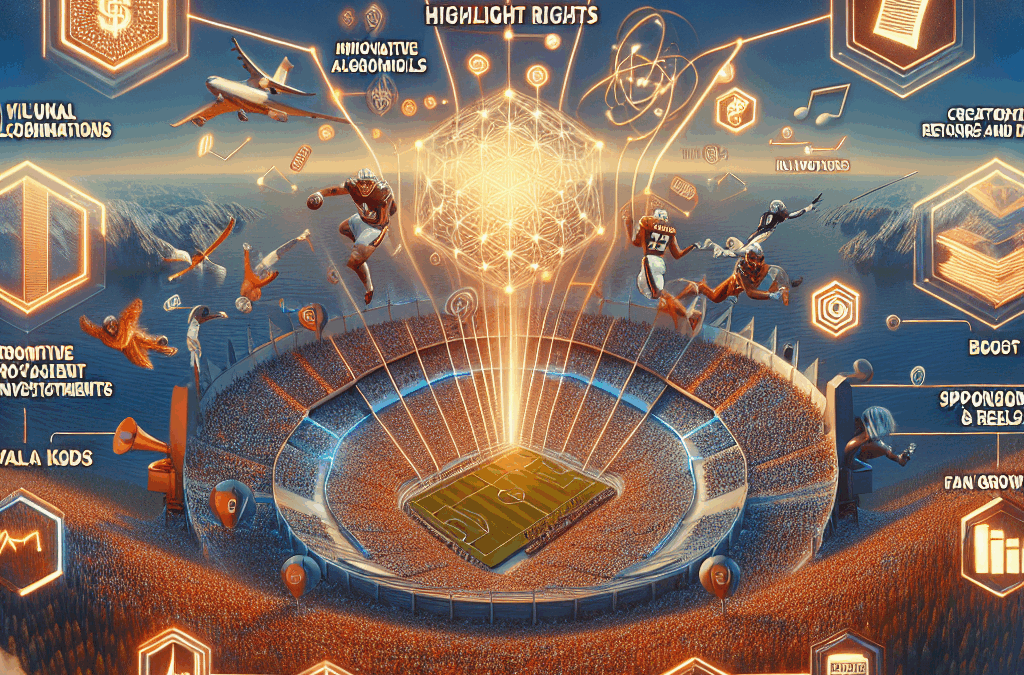
Welcome to the 2025 Knockout Economy — a media ecosystem where a single second of impact on a mobile screen can vault a mid-tier fighter into sponsorship wealth, reframe UFC predictions, and alter the calculus of fighter power ranking. As highlight rights, short-form platform algorithms, and creator partnerships converge, the distribution and monetization of knockouts no longer live solely in the octagon. They live in feeds, recommendation engines, and brand briefs.
1. Rights, revenue and the new highlight marketplace
For more than a decade the UFC controlled where full fights and premium highlights lived. In 2025, that control is more complex. Promotions, athletes, and platforms negotiate micro-licensing for short-form clips, giving creators and fighters more avenues to monetize clips independently of pay-per-view and linear broadcast revenue.
What to watch:
- Fragmented highlight rights: promotions retain live and long-form rights, while limited short-form licensing is being carved out for creators, agencies, and platforms.
- Micro-payments and royalties: platforms and middlemen now offer clip-level compensation tied to views, engagement, or direct brand deals.
- Clip syndication: a single KO can be repackaged across TikTok, Reels, and YouTube Shorts with different monetization paths and reporting standards.
Those dynamics change incentives. Fighters who previously ignored social packaging now consider clip-friendly finishes (visually clean KOs, dramatic reactions) as part of long-term earning potential. Promotions will increasingly price highlights as inventory, not just promo material, and savvy managers will treat highlight rights like an alternate revenue stream.
2. Algorithmic physics: why some KOs go nuclear and others fizzle
Platforms do not reward violence; they reward time spent and repeat viewership. A knockout’s virality is determined less by the blow and more by four algorithmic inputs: initial traction, completion rate, repeat plays, and contextual metadata (captions, thumbnails, music).
- Initial traction: early engagement in the first 30–60 minutes signals the recommendation engine. Creators with distribution networks that can seed those early views win.
- Completion and replay: reels that loop cleanly — a snap KO freeze-frame or a replay edit — boost completion rates and replays, both highly rewarded metrics.
- Contextual metadata: music choice, captions, and hashtags determine discoverability. A KO framed with a trending sound and a compact caption will climb faster.
- Cross-platform velocity: simultaneous spikes on TikTok, Reels, and Shorts compound recommendation weights; platforms detect momentum and expand reach.
For fans and analysts this matters because virality distorts perceived fighter value. A fighter with fewer wins but more viral KOs can command sponsorships, skewing public sentiment and opening new monetization channels. That changes how matchmakers and brands assign economic value to fighters beyond win/loss records.
3. Creators, sponsorships and the economics of branded KOs
Creator partnerships are the connective tissue of the knockout economy. From micro-influencers who clip, edit, and caption highlights to production houses that license highlight packs, creators translate in-cage action to brand-friendly assets. Brands now buy exposure to moments rather than fights: a 5–10 second supercut in the middle of a 30-second ad can drive measurable lifts in awareness.
What sponsors care about:
- Cost-per-engagement (CPE) on short-form clips versus traditional CPM for long-form broadcast.
- Audience overlap: demographic targeting on TikTok and YouTube Shorts differs from linear pay-per-view audiences.
- Attribution fidelity: tracking whether a viral KO converts to ticket/PPV buys, merchandise sales, or app downloads.
Examples of commercial models emerging in 2025:
- Revenue-share licensing: promotions or fighters take a cut of creator revenue when clips use official assets.
- Sponsored clip drops: brands sponsor a highlight reel series around an event, measured by CTR and conversion rather than sheer view counts.
- Creator amplification deals: fighters pay creators to seed clips pre- or post-fight to influence algorithms intentionally.
For fighters and managers, the takeaway is simple: treat highlight strategy like fight camp preparation. Packaging, release timing, and creator selection are now tactical steps in maximizing sponsorship ROI and fan growth.
4. What analysts and fans must track: metrics, records and predictive signals
To cut through hype and identify a fighter’s true potential and career trajectory, blend traditional UFC performance metrics with modern social signals. Use data to build resilient UFC predictions and robust fighter power ranking systems that account for both performance and attention economy metrics.
Key on-cage metrics:
- KO percentage and finish rate: historical MMA knockout records and a fighter’s finish frequency are baseline predictors of highlight potential.
- Significant strikes landed per minute (SLpM) and absorption rates: aggressive strikers create highlight opportunities even in losses.
- Knockdowns per 15 minutes and recovery time: measure a fighter’s ability to produce decisive moments.
- Fight length average: shorter fights may correlate with higher shareable KO potential.
Key off-cage (attention) metrics:
- Per-clip engagement on TikTok/Reels/Shorts: completion rate, shares, and comment sentiment.
- Velocity metrics: time-to-peak views and multi-platform cross-posting success.
- Sponsorship CPM implicit value: how much brands are willing to pay per 1,000 views for a fighter’s highlights.
How to combine them into smart analysis:
- Composite fighter power ranking: weight UFC performance metrics (60%) and attention metrics (40%) to reflect both sporting merit and monetizable reach.
- Predictive modeling inputs: include recent KO frequency, opponent quality, SLpM differential, and short-form momentum variables (like average viral views in last 12 months).
- Benchmark with historical datasets: use UFC Stats for on-cage numbers and cross-reference with social analytics and clip archives on YouTube Shorts or TikTok.
Practical scouting tip: when calculating UFC predictions, penalize fighters who produce highlight moments that are shareable but result from lucky sequences (one-off spinning backfist vs. consistently superior striking metrics). This reduces false positives in power rankings built purely on virality.
Conclusion — how to play the Knockout Economy smart
The 2025 Knockout Economy rewards fighters who combine elite performance with attention-aware packaging. Analysts and fans who want to be profitable and predictive must become bilingual: fluent in UFC performance metrics and fluent in platform mechanics. Track a hybrid set of indicators — from MMA knockout records and significant strike metrics to completion rates and cross-platform velocity — to build more accurate UFC predictions and fighter power rankings.
For aspiring analysts: start with the canonical sources (like UFC Stats), then layer in social metrics, and test models against historical outcomes. For fighters and managers: invest in creator partnerships and clip packaging as intentionally as you invest in weight cuts and game plans. The octagon still decides the result; the feeds decide the payday.
Want a practical checklist or spreadsheet to combine on-cage and attention metrics into your own fighter power ranking? Subscribe to our newsletter or download the free analyst toolkit linked on our homepage — and start trading highlight signals for smarter predictions.
Recent Comments