Introduction — The new currency of MMA: one second of impact
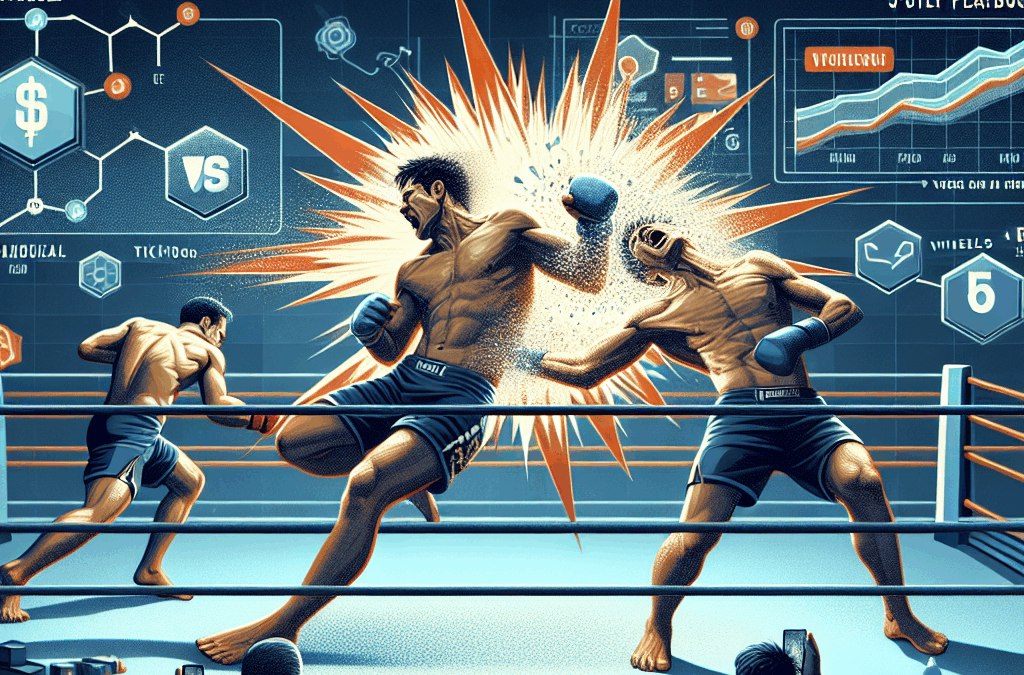
Two knockout clips. Two nights. Millions of rewinds, shares and comments across TikTok and Reels. Max Holloway’s hypothetical buzzer-beater at UFC 300 and Alex Pereira’s UFC 303 head-kick didn’t just add to MMA knockout lore — they rewired how fans, creators and brands value fight content. Short-form platforms have made instantaneous, visceral moments more valuable than long-form narratives; a single 2–6 second clip can eclipse hours of premium programming in reach and commercial opportunity.
For analysts and fans obsessed with UFC stats, MMA knockout records and fighter analysis, that means reframing how we evaluate fighters: beyond win/loss and strike counts to a “highlightability” metric that predicts social virality. For brands and rights holders, it means building operational playbooks to own and monetize those moments in real time. Below I unpack the anatomy of these viral KOs, connect them to UFC performance metrics, and deliver a 5-step playbook to own the next knockout moment.
The anatomy of a viral knockout: what Holloway and Pereira teach us
Viral KOs share a common blueprint. Whether it’s Holloway’s buzzer-beater (timing + drama) or Pereira’s explosively cinematic head-kick, those clips have elements that make them algorithm-ready:
- Immediate clarity: the action is obvious in the first 1–2 seconds.
- Emotional punch: crowd reaction or fighter expression provides instant context.
- Repeatability: a single frame warrants replay or slow-mo — perfect for TikTok/Reels.
- Share hooks: captions, split-screen reactions and soundbeds that invite remixing.
For fighter analysis, these moments are predictable if you combine UFC performance metrics (pressure, significant strike accuracy, knockout percentage) with qualitative factors (range, timing instincts). Sources like UFCStats and historical MMA knockout records let analysts quantify a fighter’s propensity for highlight finishes. That’s how predictive models for “highlightability” are built — by weighting KPIs that correlate with shareable finishes.
Why platforms reward knockouts: algorithm mechanics and engagement economics
Short-form platforms optimize for watch time and rewatch behavior. A knockout clip that prompts rewinds or multiple watches sends a strong signal to recommendation algorithms. The result is rapid amplification: organic distribution spikes, creator remixes, and mainstream pages picking up the clip.
From an economic standpoint, platforms monetize that attention — inventing a “Viral KO Economy.” Brands who insert themselves into the lifecycle of a viral KO can capture attention at a fraction of traditional CPMs. But timing and rights are everything. To convert views into commercial value, you need to own the first wave of distribution and the derivative content that follows.
Translating fight metrics into highlightability: a data-first approach
To move from intuition to reliably owning moments, analysts should expand the toolkit beyond basic UFC stats. Integrate the following into a predictive model:
- KO Rate & Finish Time Distribution: fighters who finish early or in late rounds offer different highlight flavors.
- Significant Strike Differential & Accuracy: indicators of decisive offense that creates highlight frames.
- Clinching vs. Open-Strike Ratio: open-strike-heavy fighters yield cleaner, more cinematic KOs.
- All-time UFC records context: fighters approaching records or milestones are more newsworthy.
- Historical social lift: past clips’ view-per-reaction ratios as a proxy for future virality.
Combining these data points creates a “highlightability score” that informs everything from betting markets to brand activations and fighter power ranking adjustments. For deeper game-level stats, see the base datasets at UFC.com and UFCStats.
The 5-step playbook brands can use to own the next knockout moment
Here’s an operational playbook built from the Holloway and Pereira case studies — designed for brands, agencies and rights holders who want to capture both cultural and commercial value.
- 1) Pre-event scouting and asset readiness
Map fighters with high highlightability scores. Pre-create short-form creative templates (6–15s) with brand-safe variations that can be dropped into a clip within minutes. Store raw assets and logos in a cloud folder accessible to your social team and partners.
- 2) Rights & clearance on standby
Negotiate rapid-use clauses with promotion partners or sign limited-use rights with creators and media partners ahead of the event. Having a pre-cleared rights pool reduces time-to-first-post and avoids takedowns that kill momentum.
- 3) Real-time monitoring + decision triggers
Use a monitoring dashboard tied to platform APIs (TikTok, Reels, X, YouTube Shorts) and social listening tools like SocialBlade or custom listeners. Define KPIs (× rewinds/minutes, engagement rate, derivative clip volume) that trigger the playbook’s next action — e.g., paid boost or creator seeding.
- 4) Creator seeding & native remixes
Seed pre-approved creators within the first 10–30 minutes. Offer creative prompts (reaction pack, slow-mo breakdown, coaching POV) and micro-budgets to amplify organic momentum. Creators provide authenticity that branded channels rarely match.
- 5) Paid amplification anchored to conversion goals
Once organic velocity is confirmed, scale with paid ads aimed at lookalike audiences and engaged viewers. Use shoppable overlays, betting CTAs, newsletter sign-ups or ticket links depending on your objective. Measure beyond views: track view-through, share rate and downstream conversions to calculate true ROI.
Measurement: KPIs that matter in the Viral KO Economy
Traditional media buys measure CPMs and impressions. Owning knockout moments demands a broader suite of KPIs tied to engagement and action:
- Rewind Rate / Average Replays: higher for KOs than for other content.
- Share-to-View Ratio and Remix Volume: indicates cultural diffusion and creator pickup.
- Engaged Viewers to Conversion: newsletter signups, merchandise clicks, or app installs driven by the clip.
- Earned Media Value (EMV): comparative value of organic creator pickup vs. paid spend.
Running A/B tests across soundbeds, captions and CTA treatments during spikes will refine what works for future activations.
Conclusion — From highlight reels to predictable value
The Holloway and Pereira moments are prototypes for a new commercial architecture in MMA: the Viral KO Economy. For fans and analysts, incorporating UFC performance metrics and MMA knockout records into predictive models improves fighter analysis and UFC predictions. For brands and rights holders, owning the moment requires preparation: data-driven scouting, legal readiness, creator partnerships and rapid execution.
If you want to build a highlightability model or a real-time activation stack for your brand or fighter, start by mapping the fighters with the highest “social finish” scores on UFCStats, pair that with historical social lift data, and pre-approve creative templates. The next knockout will be less a surprise and more an opportunity — if you’re ready to move in the first 60 seconds.
Interested in a deep-dive? Subscribe to our newsletter for a downloadable checklist and a sample highlightability model that ties UFC stats, MMA striking trends and all-time UFC records to actionable activation triggers.
Recent Comments